Caregiving is one of those things you never truly understand until you’re in the thick of it. Before I became a caregiver, I had a very Hallmark movie version of what it would look like—sweet moments of bonding, gentle hand-holding, meaningful conversations about life. Spoiler alert: that’s not quite how it goes. I remember sitting with my niece who is a therapist and she asked me, are you SURE this is what you want to do? All in, I responded – absolutely!
Settle in because this is not a light post.
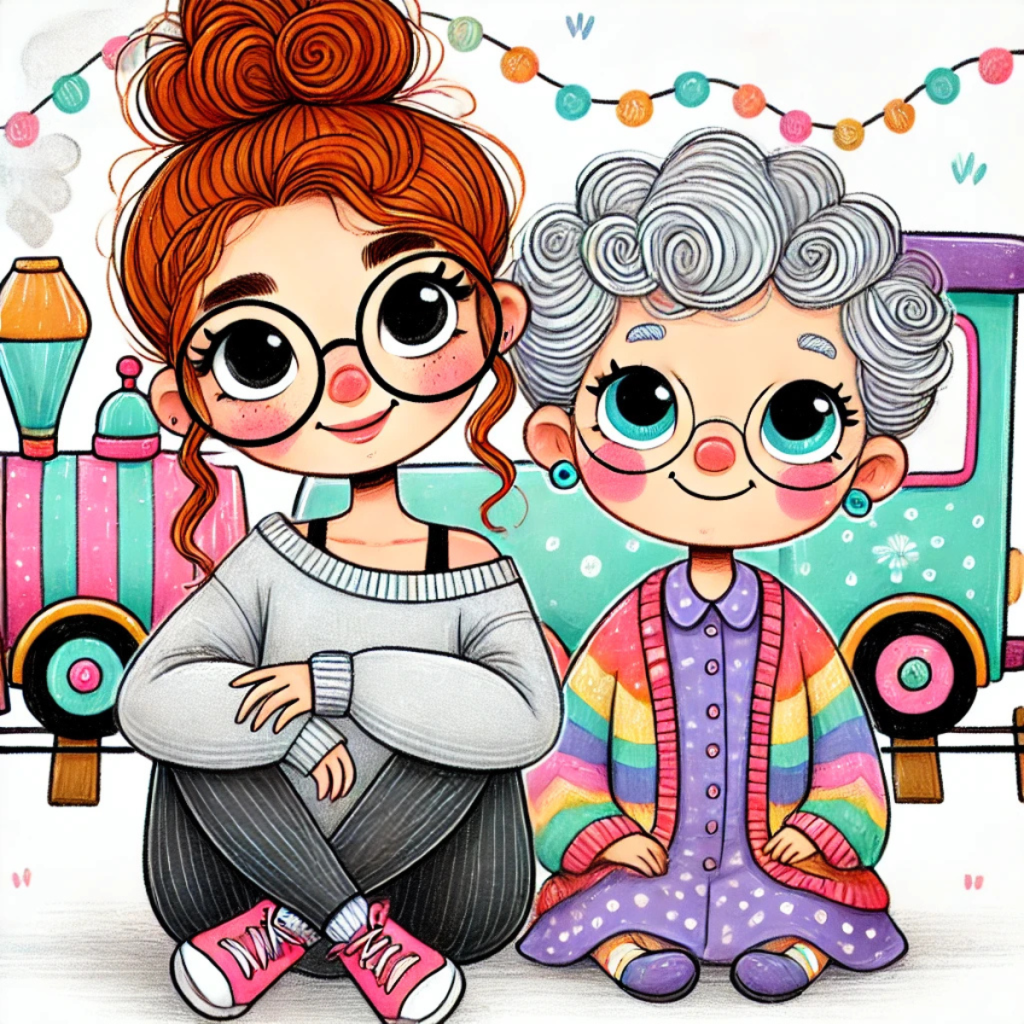
No one told me caregiving would mean spending hours on hold with insurance companies, becoming an unpaid nurse, therapist, housekeeper, and personal assistant, or that some days I’d be so tired that microwaving dinner would feel like an Olympic sport.
So, in the spirit of full transparency, here’s what I wish someone had told me before I stepped onto this rollercoaster.
1. The Paperwork Will Try to Break You
I don’t know who designed the healthcare and insurance system, but I can only assume it was someone with a personal vendetta against caregivers. The sheer amount of forms, approvals, denials, referrals, appeals, and phone calls will make you question reality.
Pro tip: Keep a dedicated “caregiver binder” with all medical records, medication lists, and contacts. You’ll need it every other day.
2. Your Social Life Will Become a Myth
Remember going out with friends? Remember hobbies? Yeah, me neither. In the beginning the invites roll in, but when you either have to take your loved one or turn down the offer, they stop.
Caregiving has a way of consuming your time and energy until you realize the last “conversation” you had was with the grocery store self-checkout machine. [“Yes, I did bag my items. Now mind your business.”]
Your world shrinks, and people who don’t understand caregiving tend to disappear. But the ones who stick around? They’re the real ones. Hold onto them. Tightly.
3. You Will Become a Human Lie Detector
Caregiving gives you superpowers—one of which is the ability to detect a lie from across the room.
- “I already took my medication.” (No, you didn’t.)
- “I’m not in pain.” (Then why are you wincing every time you move?)
- “I just ate.” (Lies. The last thing you ate was pudding four hours ago.)
They’re not lying to be difficult. They’re lying because they want to feel independent. And honestly? I get it. But that doesn’t mean I won’t side-eye them until they take their pills.
4. Doctors Will Only Listen to You Half the Time
There’s nothing more frustrating than being the person who knows your loved one best and still having to fight to be heard.
- “That’s not normal for them.”
- “I know their symptoms better than the chart does.”
- “No, they don’t ‘seem fine’—you’ve seen them for 30 seconds.”
- “She’s fine, there’s no sign of cognitive decline.” – She memorized the cognitive test. [true story].
Advocating for your loved one is exhausting, but it’s necessary. Don’t be afraid to push back. Be polite, be firm, and if necessary, be the squeaky wheel that refuses to shut up.
5. People Will Say Stupid Things to You
“I could never do what you do.” (Well, lucky you, you don’t have to!)
“You should really take care of yourself.” (Oh wow, I hadn’t thought of that!)
“There’s a special place in heaven and blessings for you.” (That is neither comforting or reassuring – even well intentioned).
People mean well, but most of them have no idea what they’re talking about. Save your energy. Smile, nod, and then go vent to someone who gets it.
Caregiver Hack of the Week: The ‘One Thing’ Rule
On days when you feel completely overwhelmed, follow this rule: Just do one thing.
- One phone call.
- One chore.
- One moment of self-care (even if it’s just sitting down with a snack for five minutes).
If all you can do today is one thing, that’s enough. Truly, it is!
 The Silver Haired ChooChoo