They don’t tell you about this part.
Not in the pamphlets.
Not in the support groups. (In my caregiver group, we talk about this – cause it’s so important!)
Not in the “how to be a caregiver” checklists.
They don’t tell you that you’ll start grieving before the goodbye.
Not because they’re gone… but because, in so many small ways, they’re already slipping away or gone.
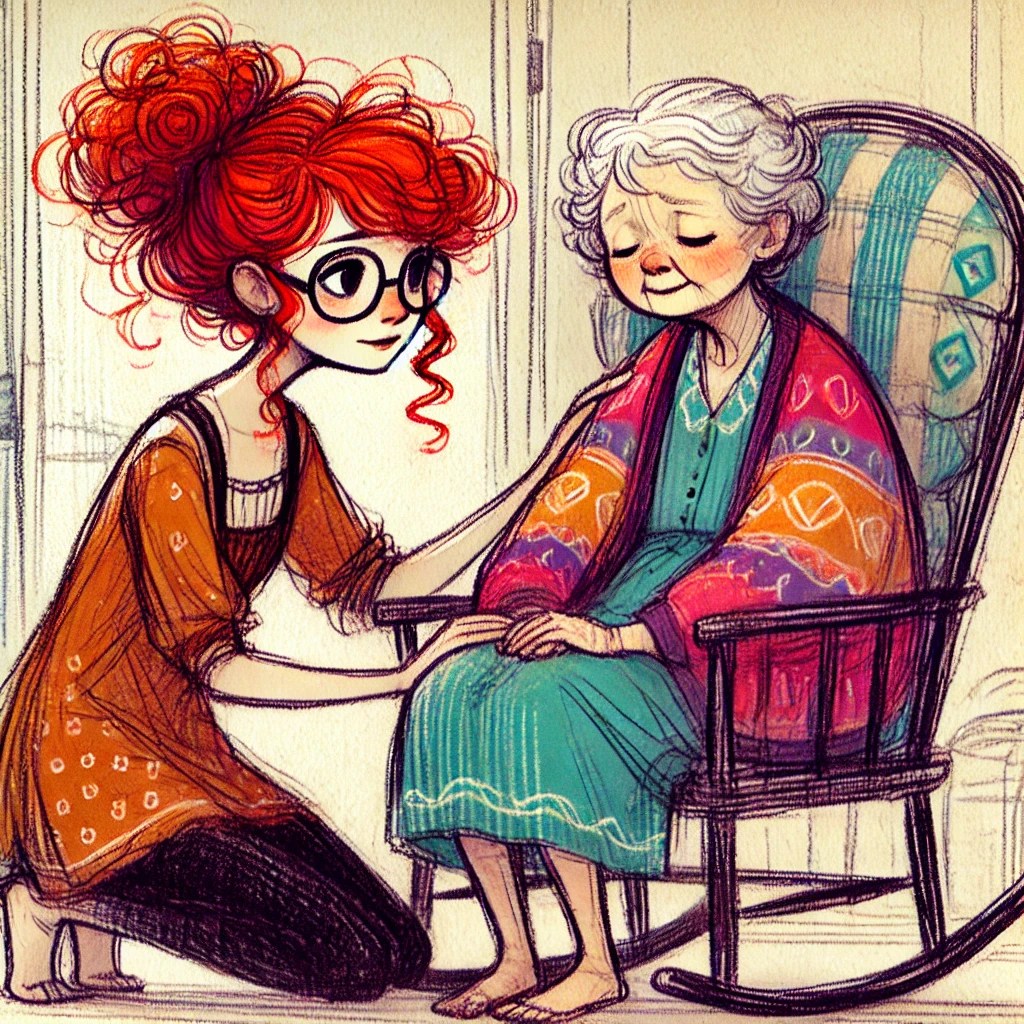
The Long, Slow Loss
Caregiving often feels like living in a long hallway—doors closing behind you one by one. You remember the way they used to tell stories, the way they made coffee just so, how they never forgot a birthday.
And now?
They can’t remember your name some days. They ask you the same question four times in five minutes. They sit quietly, unsure of where they are or why they’re sad.
You feel it: that slow unraveling of the person you love. And it shatters your heart in tiny, invisible pieces.
What Is Anticipatory Grief?
Anticipatory grief is the mourning that happens before a death. It’s grieving the changes, the losses, the fading.
You grieve the person they used to be.
You grieve the parts of your life that have changed forever.
You grieve for them, even if they don’t realize what’s slipping away.
And you do it all while smiling, while managing meds, while folding laundry and answering repetitive questions and saying, “I love you,” even when they don’t say it back.
You Are Not Crazy for Feeling This
If you’ve felt tears sneak up while brushing their hair…
If you’ve felt anger at the disease, the universe, the unfairness of it all…
If you’ve felt lonely in a room with the very person you’ve loved your whole life…
You are not alone.
You are not failing.
You are human.
This kind of grief is real. It’s complicated. And it deserves just as much grace as the grief that comes after someone is gone.
What Helps
There’s no one-size-fits-all answer, but here are a few gentle things that might bring you peace in the middle of the ache:
- Let yourself cry. Or rage. Or write it all down. Suppressing it doesn’t make it easier—it just builds a wall around your heart.
- Talk to someone who gets it. Another caregiver. A friend. A counselor. Anyone who won’t tell you to “stay strong” when all you need is to fall apart for a minute.
- Celebrate what remains. Find joy in the good moments. Laugh at the silly things. Hold their hand when they reach for yours. These moments matter and you’ll remember them when you need them the most.
- Give yourself grace. You are doing sacred, exhausting work. You won’t always feel patient or cheerful or composed. That’s okay. God sees it all.
Under His Wings
Psalm 34:18 says, “The Lord is close to the brokenhearted and saves those who are crushed in spirit.”
And Psalm 91:4 reminds us:
“He will cover you with his feathers, and under His wings you will find refuge.”
So when you feel yourself unraveling a little at a time, remember—you are covered. Held. Known. Even in your quiet heartbreak.
Caregiver Hack of the Week
Start a “Memory Moments” Journal.
When something sweet, funny, or beautiful happens—even if it’s small—write it down. A word they remembered. A hug they offered. A smile that felt like the old them. It becomes a healing space, a reminder that even in the loss, there is still love. One day, those memories will be the pieces you hold onto when the goodbye is final.
See you at the next stop, friends. Keep it real, and keep going! Choo choo!
 The Silver Haired ChooChoo
Leave a comment