Guest Blog by Jenta Kunkel
Welcome back, friends!
If you’re just joining us, this special two-part series is written by my wonderful friend, Jenta Kunkel — a woman with a heart bigger than Texas, years of hospice care experience, and a true gift for helping families navigate these tender decisions with wisdom, compassion, and grace.
Today, we’re continuing our journey, digging deeper into the differences between Palliative Care and Hospice Care — and why both can be a lifeline, not a death sentence.
So refill that coffee (or wine) and let’s keep going. Spoon in hand!
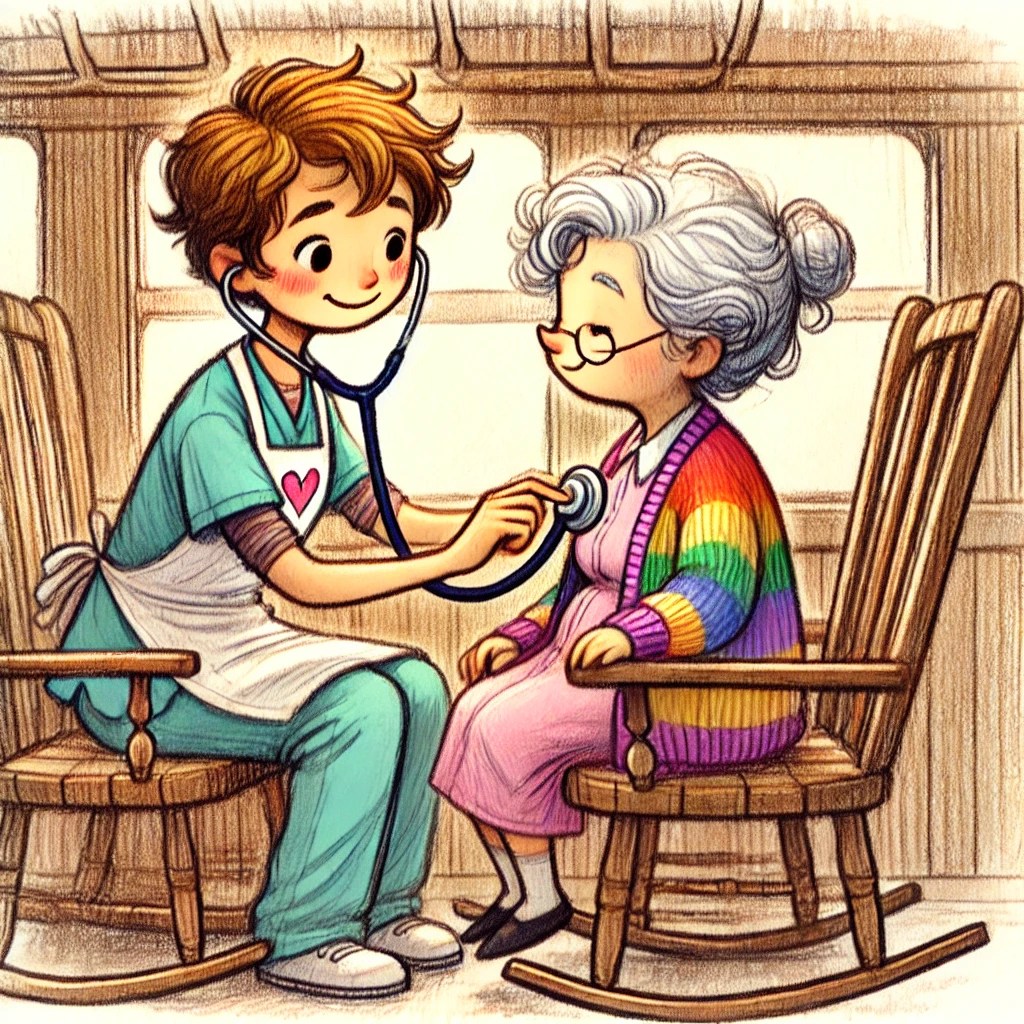
Palliative Care: Early Support for the Journey
- Can be provided at any age and at any stage of a serious illness—not just for the elderly.
- Begins alongside curative treatments — you can still be seeking a cure or remission.
- Symptom management is a top priority: pain, nausea, fatigue, anxiety, and more.
- Care is interdisciplinary — involving several specialists (physicians, nurses, social workers, chaplains, etc.).
- Available in multiple settings: hospitals, outpatient clinics, long-term care facilities, assisted living, and homes.
- Focuses on quality of life — even while treatment continues.
Hospice Care: Dignity, Comfort, and Compassion
- Falls under the larger umbrella of Palliative Care.
- Provided at any age but usually when a person’s life expectancy is six months or less, based on physician judgment.
- Focuses entirely on comfort and quality of life, not curing the illness.
- Not assisted suicide or euthanasia — Hospice does not hasten death.
- Does not mean giving up hope — it shifts the focus to living fully, comfortably, and meaningfully.
- Care can start earlier than most people realize, providing months of support and cherished time with family.
- Hospice can be revoked at any time if a patient chooses, and re-enrolled if needed later.
- Medications unrelated to the hospice diagnosis (like blood pressure meds) can continue but are billed through regular insurance, not hospice.
- Bereavement Care continues for families for up to one full year after loss — offering grief counseling and emotional support at no cost.
Common Misconceptions About Hospice and Palliative Care
- Hospice and Palliative Care are NOT only for cancer patients.
- Hospice is NOT just for the final days or hours.
- Accepting Hospice does NOT mean abandoning all treatments — it means shifting to comfort-driven care.
- Choosing Hospice does NOT remove hope — it changes the definition of hope to peace, comfort, and dignity.
Choosing the Right Hospice or Palliative Provider
Interview, interview, interview and find the right one for your loved one and family!
Not every hospice agency is created equal!
- Look up reviews.
- Ask questions about their philosophy of care.
- Notice how they treat you when you call:
If they’re too busy, rushed, or dismissive — move on. You and your loved one deserve nothing less than genuine, patient, compassionate care.
It’s a deep topic, and a deeply divided topic, but we’ve focused on the points that we can all agree on. As always, discuss options with your primary care physician and make the choices that will make either option one that will give your loved one the most peace, and best quality of life.
Here are some helpful resources that you can use to find out more information.
- National Hospice and Palliative Care Organization
- National Institute on Aging — Care and Comfort at the End of Life
- Veterans Affairs Hospice Care
- Medicare Hospice Benefits Guide
- Butterfly Book on Amazon ($2.99) (No profit to Jenta—just a resource she recommends.)
- CaringInfo: Palliative Care vs. Hospice
- BC Guidelines on Palliative Care (PDF)
Hospice and Palliative Care are not about giving up—they are about leaning in. They are about making sure every breath, every hug, every laugh, every tear, and every sunset counts. They are about honoring life until the very last moment.
Thank you, Jenta, for sharing your heart, your knowledge, and your incredible compassion with us today. The Silver Haired Choo Choo—and everyone who boards this ride—is better for it.
Caregiver Hack of the Week
Start the Conversation Early—Before It’s an Emergency
Talking about hospice, palliative care, or end-of-life wishes doesn’t have to happen in a crisis. Start while things are calm—over coffee, during a quiet evening, or while sharing a memory. When these conversations happen early and gently, decisions later feel less rushed, less panicked, and filled with more love and clarity.
Because honoring someone’s wishes is one of the greatest gifts you can give them—and yourself.
 The Silver Haired ChooChoo
Leave a comment