A story for every caregiver caught between memory and reality.
There’s this part of caregiving that no one prepares you for.
It’s the fight for identity — not your own, but theirs. You remember the sharp, strong, independent person. You remember the brilliance. The wit. The grit. You remember the woman who used to beat you on the calculator doing sums — because she was that sharp. She was the woman who ran a successful business. Stayed active in church. Who had straight A’s in college. She was one of eleven children – she had the patience of a saint and a backbone made of steel. And now?
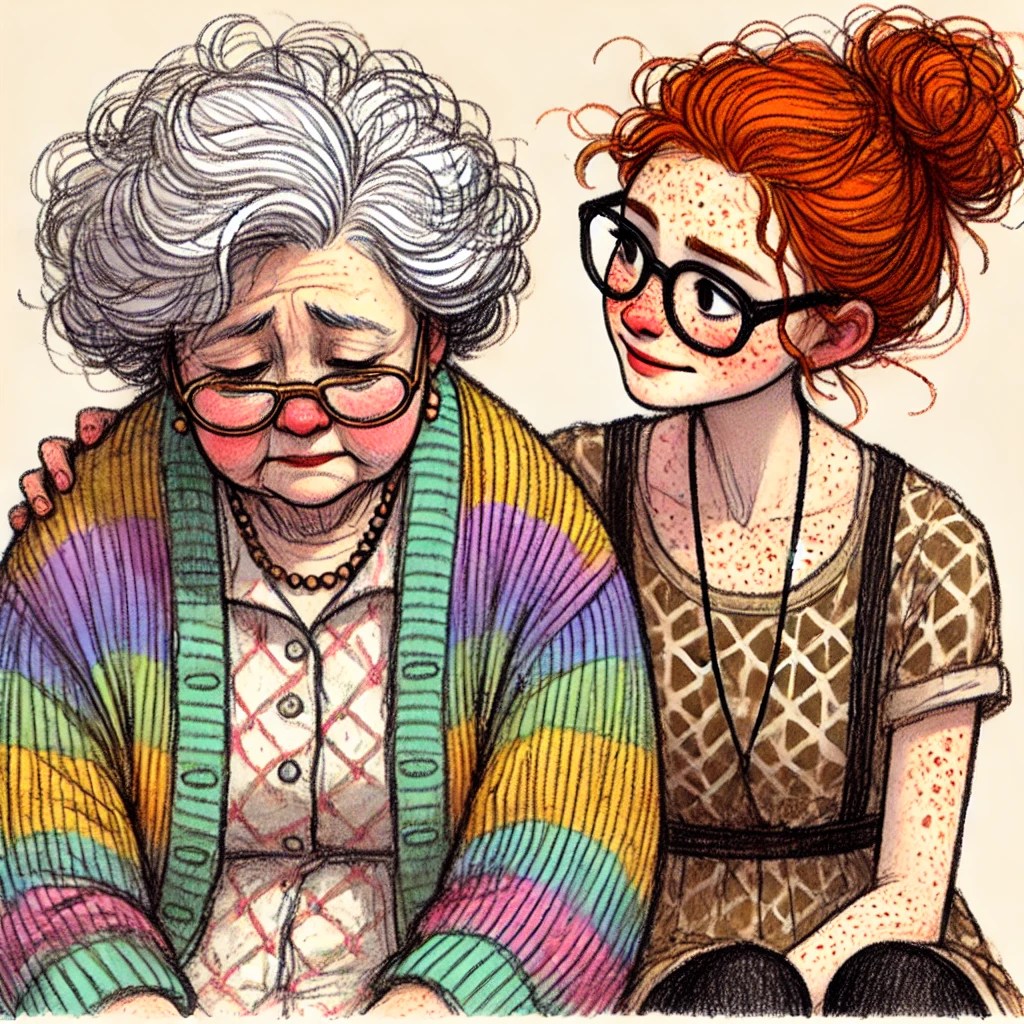
Now there’s hesitation. Confusion. Sometimes frustration. Sometimes anger. And an aching embarrassment that her mind doesn’t work the way she knows it used to. The way she believes it still should. It makes her cry, and I hate that.
The War Inside
I spent the first three years of caregiving screaming in my brain.
“Why can’t she remember? It’s obvious.”
“Why can’t she do it? She always has.”
“Why doesn’t she know it? She taught me.”
And there was a part of me — a grieving part — that refused to believe this was the disease. Because if I accepted that, it meant letting go of who she was. And I wasn’t ready – I’m still not ready.
But I’m learning – and that’s a start. This disease — dementia, Alzheimer’s, cognitive decline, however you want to label it — it doesn’t care who you are. It doesn’t care about your career or your GPA or your parenting medals. It can touch anyone. And when it does, it doesn’t just change the person who’s diagnosed —it reshapes every relationship around them. It is relentless. And they know it too.
The Long Goodbye
There’s a quiet heartbreak in realizing your loved one is fading in pieces. You start to lose them long before they’re gone.
And maybe they know it too. There’s a flicker of awareness in their eyes — and it’s that that breaks you most.
The way forward, I’ve learned, is this:
You love them right where they are.
Not where they were.
Not where you wish they still could be.
Right. Where. They. Are.
Some days I do that well. Other days I crash and burn and find myself shouting, “But you taught me! I don’t understand!”
But then, I pick myself up.
I cry. I pray. And I try again.
How to Meet Them Where They Are
Here are a few things I’ve learned that help. Not because I’m perfect, but because I’ve messed up enough to know what doesn’t work.
1. Agree, Don’t Correct
If they say it’s 1994, let it be. (I utterly suck at this – just keeping it real.) If they ask when their (long-deceased) sister is coming to visit, smile and say, “I bet she’d love to see you.” Correcting them only brings confusion or pain. Meeting them in their reality brings peace.
2. Let Them Lead
If they want to fold the same towel five times, let them. If they want to walk the same hallway over and over, walk with them. You’re not losing time — you’re sharing it.
3. Use Music and Photos
Familiar songs and old family photos can pull out memories in ways conversation can’t. Play their favorite tunes. Show them pictures of people they love. They may not name them—but they feel them.
4. Simplify the Environment
Too much noise or clutter can be overwhelming. Create calm spaces. Label drawers. Use visual cues. Give them a world that feels easier to understand.
5. Preserve Dignity
Don’t talk about them like they’re not there. (I do this sometimes too).
Don’t baby them. Speak with respect — always. (sometimes my impatience gets the better of me). This is still your mother, your father, your spouse — just in a different chapter.
6. Give Grace
To them. To yourself.
There will be bad days. Emotional days.
There will be days you snap. Or cry. Or question everything.
And that’s okay.
You’re not failing. You’re feeling. That means you’re still in the fight.
Their mind may forget the moment, but their heart remembers the feeling. So fight for their identity. Tell their stories. Hold tight to who they were. But don’t forget to love who they are — right here, right now.
Because they are still yours. And you are still theirs – and they need you more than you know.
Caregiver Hack of the Week
Create a “Daily Joy List.”
It can be super simple:
- A soft blanket
- Their favorite snack
- Their favorite hymn or radio station
- A stuffed animal, a pet, or a photo book
Keep these go-to comforts handy and rotate them in when the day gets hard. You might not be able to fix the memory loss—but you can fill the moment with something good.
 The Silver Haired ChooChoo
Leave a comment