That day was supposed to be simple. I needed to run a few errands — nothing major, just a quick trip to a neighboring town and back.
While I was gone, I got the call no caregiver (or daughter) ever wants. It was MY daughter letting me know that my mother had fallen.
I could barely make out her words and reassurances over the instant screaming in my own head:
“You should have been there.”
“You should have prevented this.”
“You failed her.”
The reality?
My mom fell. She’s 93. It was heartbreaking.
And whether I was home or not, the truth is — it still would have happened – because things happen. Period.
As caregivers, we walk around carrying the illusion that if we just do everything right, we can protect them from every fall, every scare, every bad thing. It could be likened to the second motherhood.
But the truth? We cannot control freewill. We cannot wrap them in bubble wrap and Charmin. We can’t control most things let alone everything. And trying to will only bury us in guilt, fear, and exhaustion.
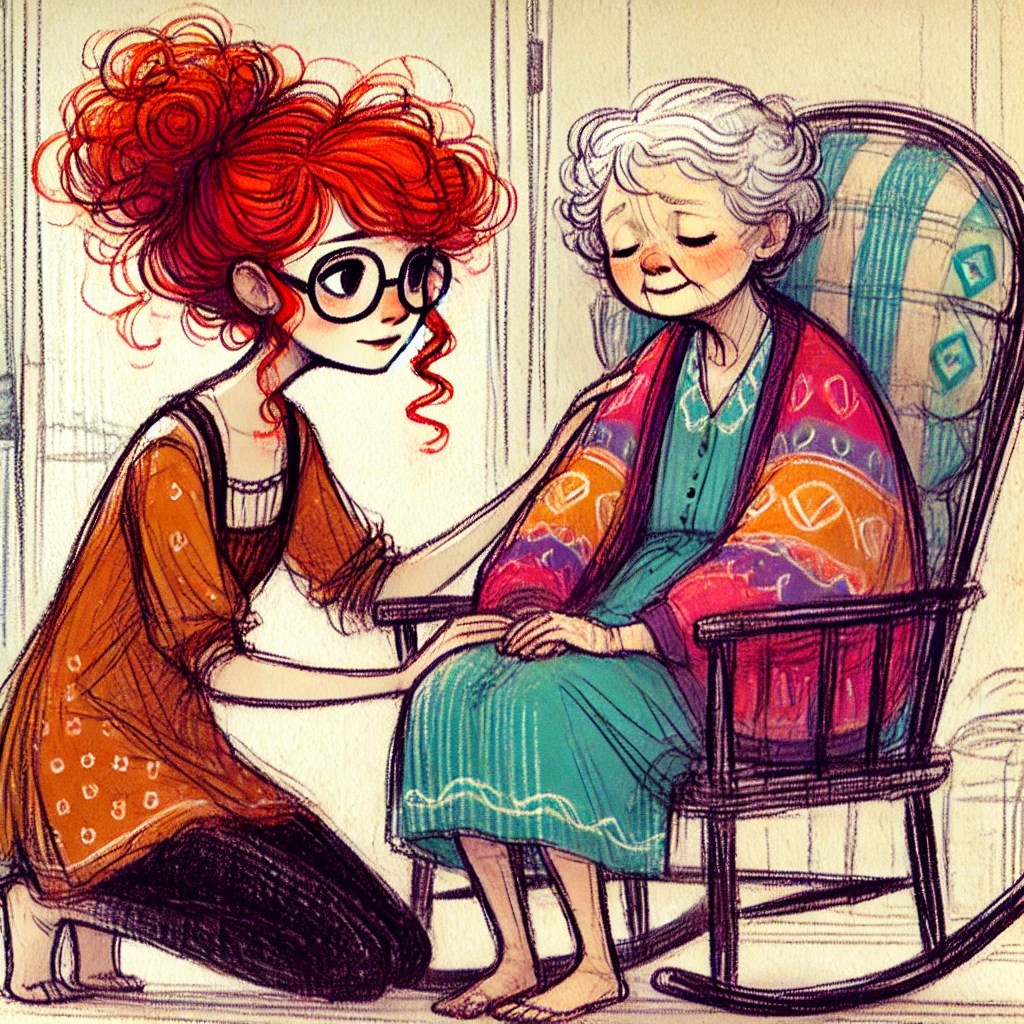
How to Handle It When Things Happen
First, breathe. (straight from my daughter’s mouth)
Then breathe again. (guess who knows her mom really well?)
And remember this:
You are human.
You are doing the best you can.
You can be prepared — but you cannot prevent things from happening.
Here are some steps you can take to be prepared, not perfect:
Safety Tools That Help
- Life Alert or Medical Alert Devices:
These systems allow your loved one to push a button and immediately call for help. Many now offer automatic fall detection without needing to press anything. - In-Home Cameras:
Indoor security cameras (even just basic ones like Blink or Ring) let you peek in and check on them — without hovering or making them feel watched. - Easy-to-Reach Phones:
Big button phones, wearable phones, or even simple Alexa or Google Home devices with “Call” functions can allow your loved one to ask for help easily. - Lift Services in Your Community:
Many areas have non-emergency lift assist services.
If your loved one falls and isn’t injured but can’t get up, these trained teams (sometimes through the fire department or private services) can safely help — no ambulance, no ER unless needed. In my town just call the sheriff office or non emergency number and they will come help. - Also be sure that there is a way to access the home. I had the house locked up tight. My daughter had the keys. Push button combo locks are a great way to ensure that help can get in without breaking down the door.
- You’re going to need help. Period. Trying to lift someone yourself (even a “tiny” person) at dead weight can seriously injure both of you.
Tips for When Guilt Creeps In
- Acknowledge the fear and sadness. It’s okay to feel all of it.
- Speak to yourself the way you’d speak to a friend. Would you blame a friend for needing groceries? No. You would tell them they did their best. Tell yourself the same.
- Reframe the goal: It’s not about preventing everything. It’s about responding with love and calm when something happens.
- Debrief gently: After the event, walk yourself through what you can do for next time — without blaming yourself for this time.
Caregiver Hack of the Week
Set up a “Help Me” Station in every major room.
In each room your loved one uses often, have a small, reachable “Help Me” setup:
- A Life Alert button nearby
- A phone or voice assistant device (like Alexa Echo Dot) ready to call family
- A simple list of “what to do if I fall” instructions posted somewhere visible (even just a note that says “Call for help. You are not alone.”)
This way, even if you’re gone, they are never truly without a lifeline.
And you can breathe a little easier knowing help is always close at hand.
Remember….
You are not failing.
You are showing up.
You are loving fiercely.
Bad things will sometimes happen. But love — the kind you pour out every single day — will always be bigger than any fall.
️Next stop….coming right around the bend.
 The Silver Haired ChooChoo
Leave a comment